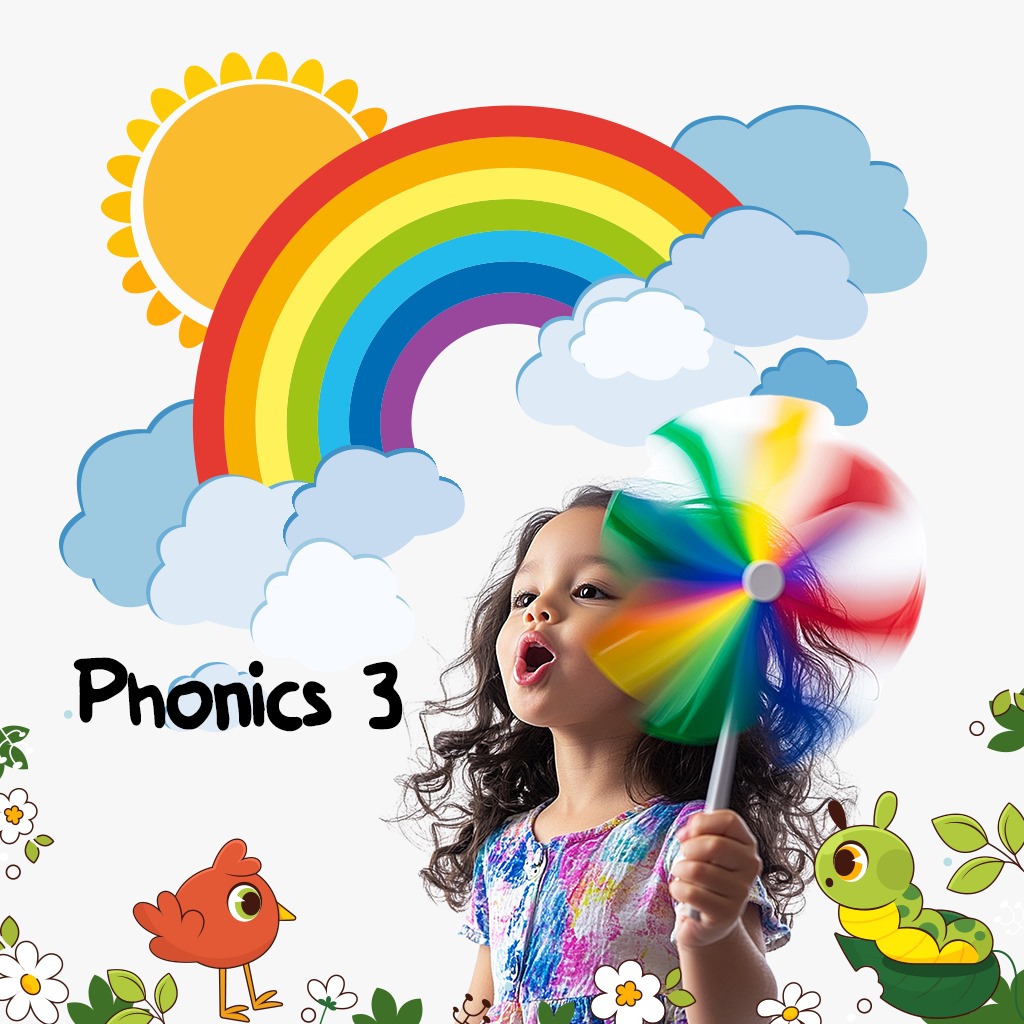
Phase 1 phonics lessons help children settle into early learning with confidence and build an essential foundation. This stage focuses on listening skills, sound awareness, early speech patterns, and key abilities that make later reading easier.
Parents searching for phonics classes, phonics tutoring, or phonics learning programs should opt for this Phonics Phase 1 course because it introduces reading concepts gently, without overwhelming young learners. Each activity supports sound discrimination, oral blending, and early communication skills.
Complete the course to earn your certificate, available for viewing and download
Phonics gives children a way to understand how spoken sounds connect to written words. Kids pick it up quickly once they understand the purpose behind it. The whole point is simple: young learners hear sounds in words, then link those sounds to letters. This early step makes reading less confusing.
Phonics plays a big part in early reading because it teaches children how to break words apart and put them back together. When kids learn how sounds work inside words, they don’t have to guess while reading. They can actually decode the word. This is why phonics builds strong decoding skills. It teaches children to listen, identify the sound, match it to the letter, then blend it into a word. The process seems small, but it’s the base everything else rests on.
Children learn sounds long before they meet letters. They hear language around them, copy it, play with it, and slowly figure out how speech works. Phonics uses this natural ability by showing children which letters match each sound.
The sound–letter connection is the heart of reading and spelling. When a child knows that “/m/” connects to the letter m, they can start forming real words. They can read mat, man, mop, and dozens more without guessing.
Phonics supports spelling in the same way. Children listen to the sounds in a word, break those sounds apart, then choose letters that match. I’ve watched kids feel proud the moment they write a word using this method. It suddenly feels possible, not mysterious.
Few terms look technical, but once you understand them, it becomes much easier.
Phoneme: A phoneme is the smallest sound in a word. For example, cat has three phonemes: /c/, /a/, /t/. Children learn to hear these one by one.
Grapheme: A grapheme is the letter or group of letters that represents a phoneme. So the sound /sh/ has the grapheme sh, while /a/ has the grapheme a.
Blending: Blending is when children push sounds together to make a word. They hear /s/, /u/, /n/ and say sun. It’s the skill that turns sounds into reading.
Segmenting: Segmenting is the opposite. Children pull words apart into their sounds. They take dog and break it into /d,/ /o/, /g/. This helps with spelling and writing.