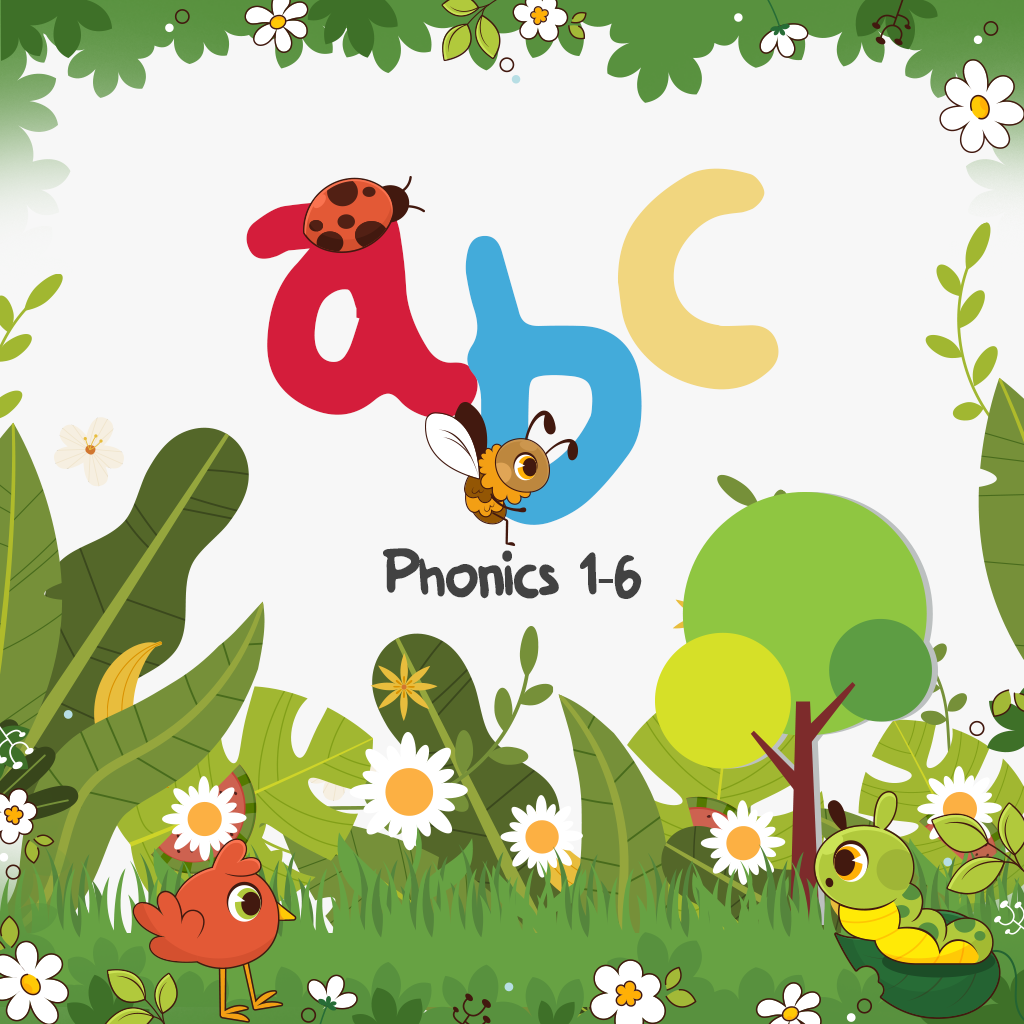
A structured phonics lesson works well when each step builds on the last, and Module 2 follows that steady flow. After Phase 1 listening skills develop, children shift into real sound awareness, noticing how every word breaks into smaller sounds. Parents searching for phonics classes, phonics tutoring, or early reading programs often choose this stage because learning becomes focused.
The module strengthens phoneme recognition, simple sound play, and early spelling patterns. Children explore short vowels, long vowels, consonants, and early digraphs at a calm pace that supports confident reading growth.
Complete the course to earn your certificate, available for viewing and download
Short vowel sounds
Children meet short vowel sounds constantly, and once they start noticing them, their early reading makes more sense. Sounds like /a/ /e/ /i/ /o/ /u/ shape the middle of many simple words. I’ve seen children reach small breakthroughs the moment they isolate these sounds on their own.
Long vowel sounds
Long vowels sound like the letters themselves, and some learners mix them up at first. This lesson introduces them gently. When a child hears the difference between the /a/ in make and the /a/ in mat, reading becomes far less confusing. It’s a tiny shift that carries big weight later.
Consonant sounds
Consonants give children anchor points in words. Sounds like /m/, /t/, /p/, /s/ are usually easier to imitate, and the clarity of these sounds helps with later blending. This section teaches children to pronounce consonants cleanly without adding extra syllables—a habit that makes decoding smoother.
Digraphs (sh, ch, th)
Children quickly discover that two letters can work together to make a brand-new sound. Digraphs like "sh," "ch," and "th" appear everywhere in early storybooks. Once learners understand that these pairs act as single sounds, their reading accuracy improves noticeably.
Finding the first sound
The first step in phoneme recognition is hearing the sound at the beginning of a word. It sounds simple, but it builds strong listening discipline. When a child recognizes that "sun" starts with /s/, their awareness of word structure grows quickly.
Finding the middle sound
Middle sounds challenge many learners, especially vowel sounds. This lesson slows down that process by helping children isolate the central sound in words like "sit" or "cup." I’ve seen quieter learners thrive here because the skill builds gently and predictably.
Finding the final sound
End sounds help children understand how one small change can shift a whole word. When they can hear the /t/ in cat or the /p/ in cup, they begin to understand how words finish. This skill later supports spelling, writing, and more accurate decoding.